
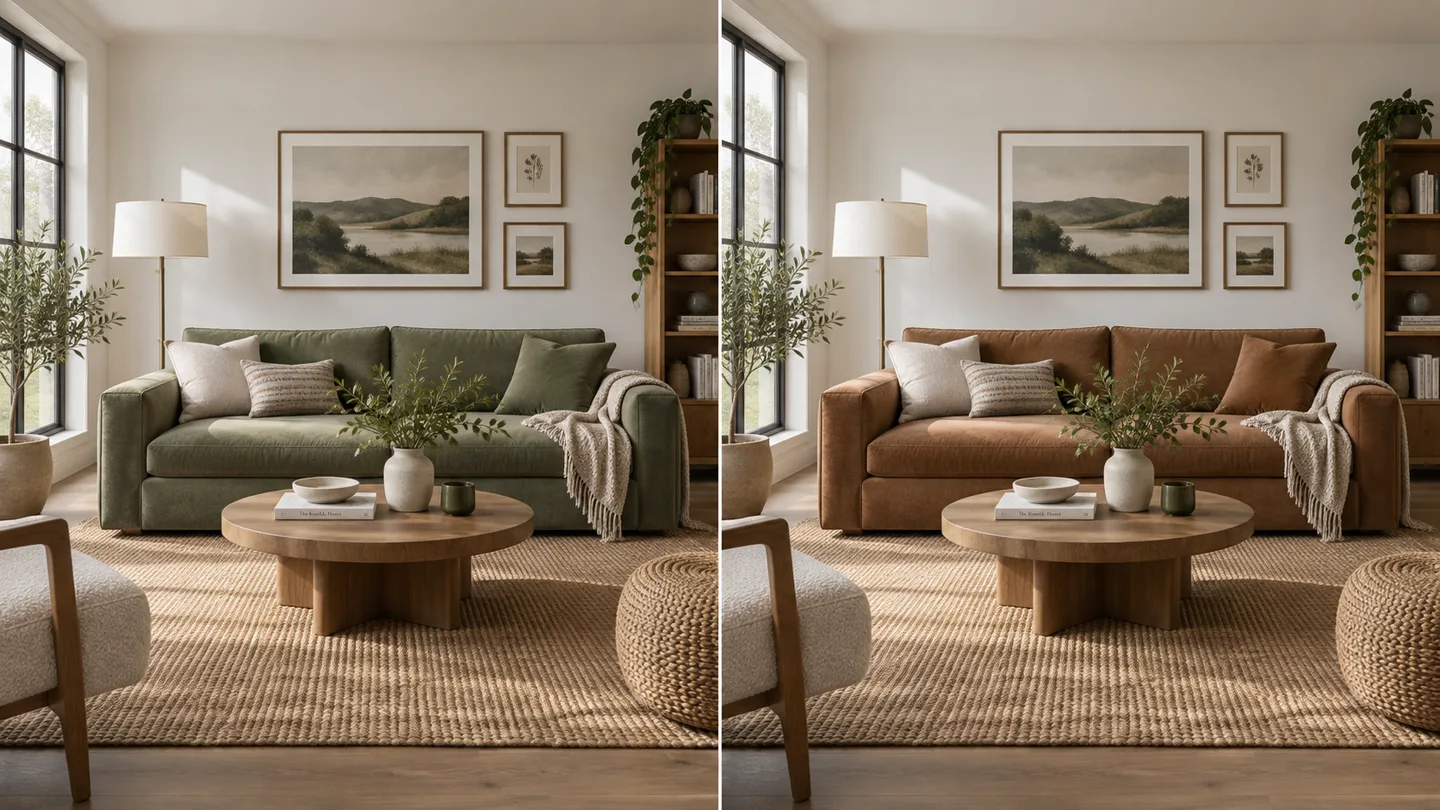
Edit One Element, Keep Everything Else
Ask most editors to recolour a chair and the lamp moves, the perspective drifts, the face behind it changes. The model scopes the change to what the prompt names.
GPT Image 2.5 runs here as two models you pick yourself — Flare or Sunburst — never routed for you.

GPT Image 2.5 is the image model OpenAI released on 8 September 2026, and it ships as two tiers. Flare is the everyday one, rated above GPT Image 2 at up to 50% lower latency; Sunburst spends that time on precision.
The change that matters is the second render, not the first. The model edits only the element you name — swap the sofa, keep the lamp and the light.
Inside the ChatGPT app the tier is picked for you and never shown. Here it is a dropdown, beside 15 other image models from eight labs, so a weak GPT Image 2.5 render can be re-run elsewhere.
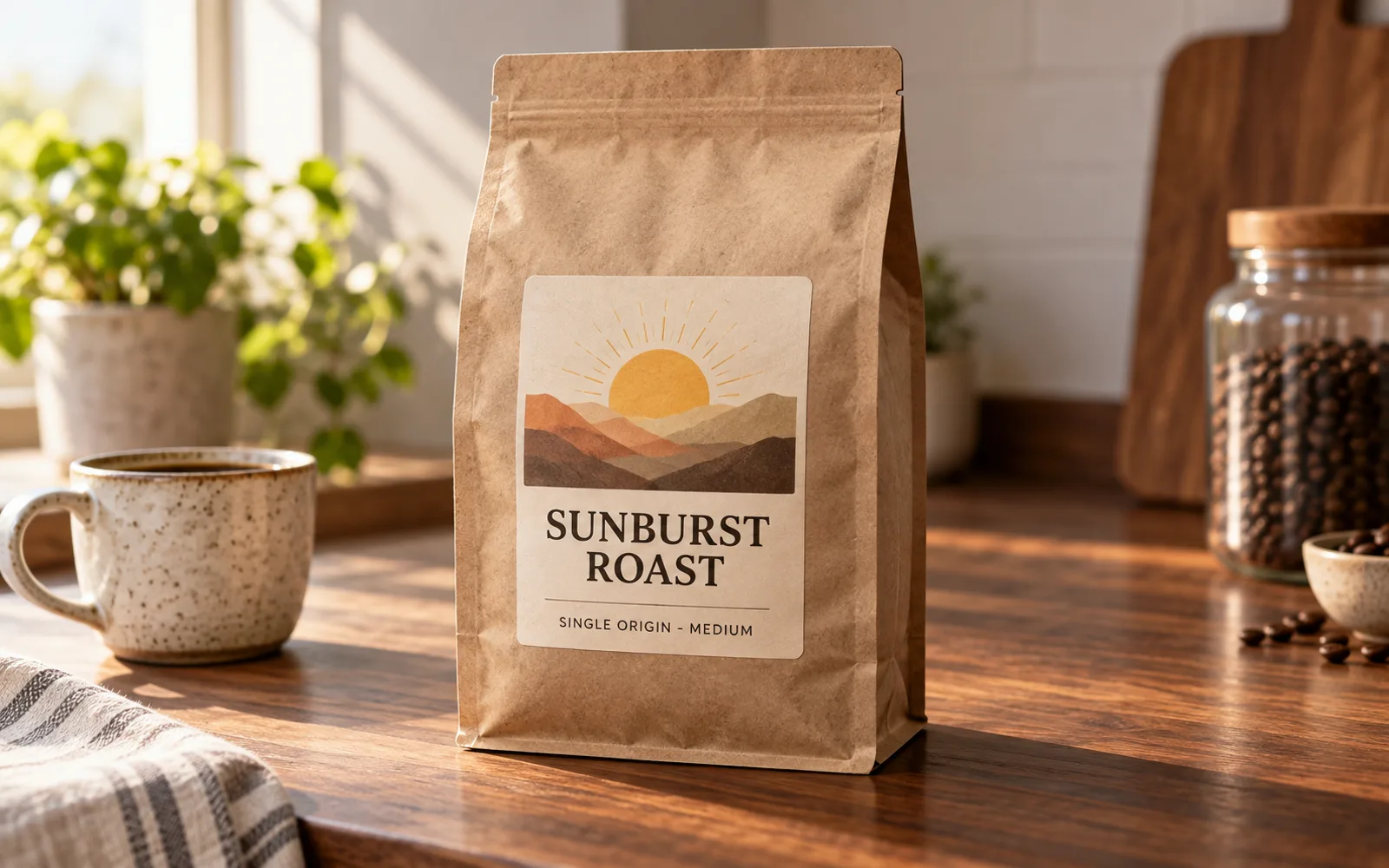
Five differences you can check on your own prompts, tied to what the engine does, not what it claims.
Ask most editors to recolour a chair and the lamp moves, the perspective drifts, the face behind it changes. The model scopes the change to what the prompt names.
The two tiers are separate models, and the app most people meet them in routes between them silently. Here both sit in the dropdown under their real names, so the draft and the finish are a decision.
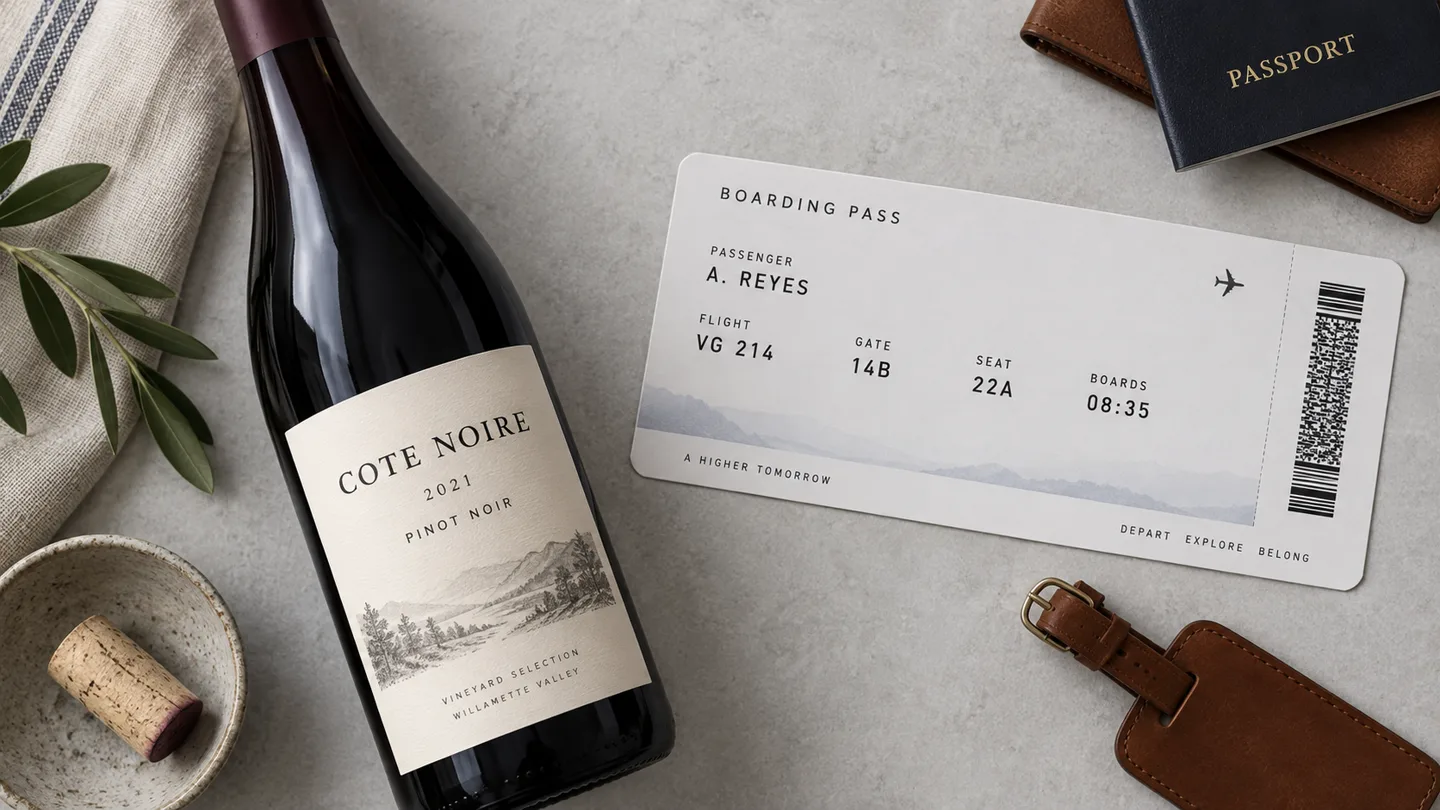
Typography is where image models give themselves away: a price tag becomes letter-shaped noise, a nutrition panel decoration. The generator renders long strings and dense layouts well enough to ship.
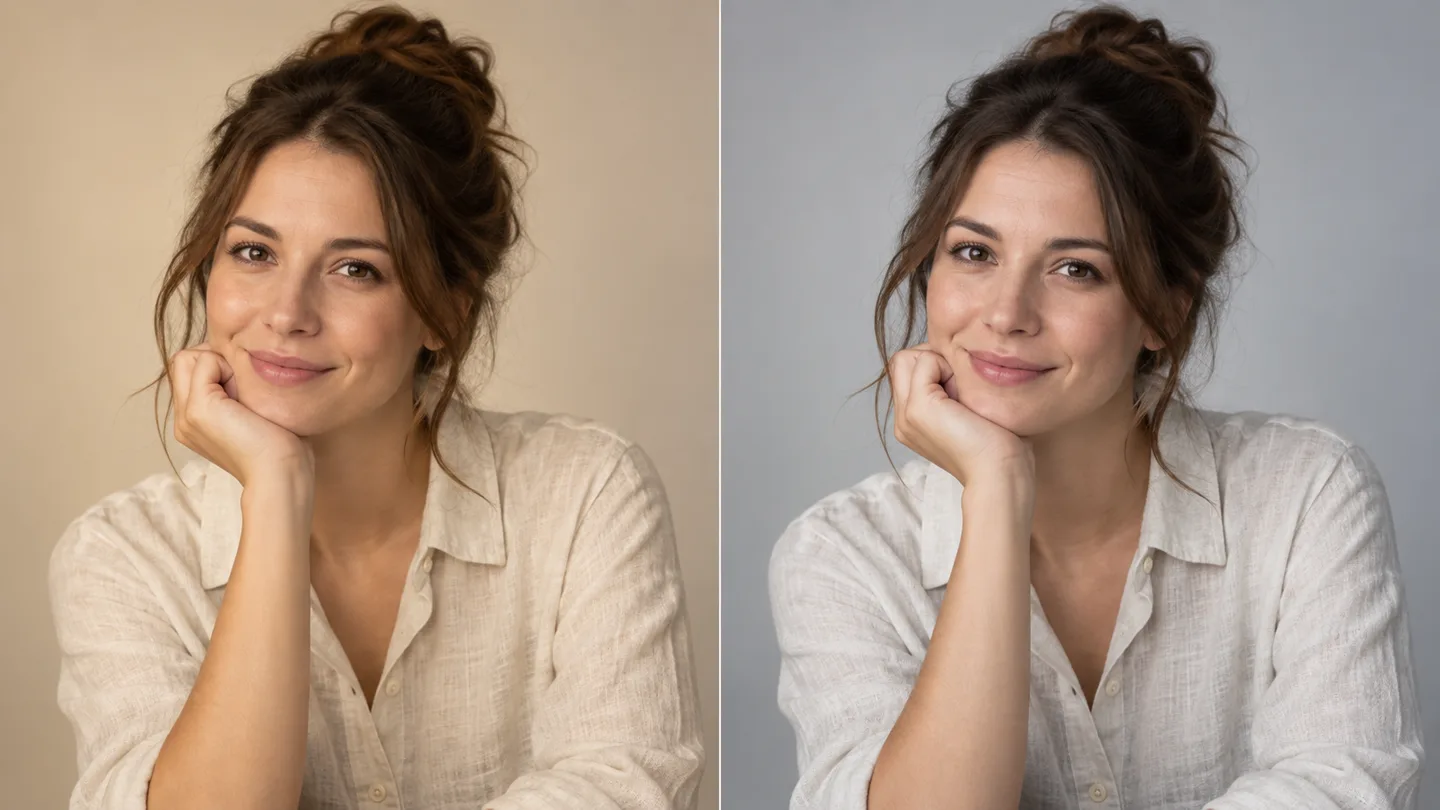
A version bump is not a clean win on every prompt — people comparing both on identical briefs still prefer older renders. GPT Image 2 stays in the dropdown, so one prompt runs through both.
Running out of quota mid-idea, with no number to plan against, is ordinary for image tools. Every generation prints its cost first: 12 credits at 1K, 18 at 2K, 30 at 4K.
Two models, one price. The split is speed against control; picking wrong costs a re-run, not a subscription.
| Flare Tier | Sunburst Tier | |
|---|---|---|
| Built for | Everyday generation and edits | Repeated, tightly scoped edits |
| Speed | Up to 50% lower latency than GPT Image 2 | Longer generation times, by design |
| OpenAI's guidance | Default choice for most applications | Premium visual workflows |
| Typical use here | Drafts, variations, high-volume passes | The final pass on a campaign asset |
| Credits on Vogoo AI | 12 / 18 / 30 (1K / 2K / 4K) | 12 / 18 / 30 (1K / 2K / 4K) |
| API model id | gpt-image-2.5-flare | gpt-image-2.5-sunburst |
Both tiers cost the same because the provider prices them identically — Sunburst buys control, not a bigger bill. Start on Flare; switch on the revision you ship.
Six jobs where changing one thing and keeping the rest beats a nicer draft.
A listing photo is right except the background, and a reshoot is off the table. Ecommerce sellers swap it in one pass.
The date moved, the venue changed, the designer who made the artwork is gone. Event organisers edit the finished poster instead of rebuilding a lost source file.
Indie illustrators and game artists need one face across twelve poses. Reference fidelity is the job; drift between frames kills the set.
Product designers explore screen layouts before anything is built, because the model renders dense UI copy as words, not texture.
Brand teams put real copy on a bottle to see if it survives at shelf distance. Transparent output drops onto a mockup.
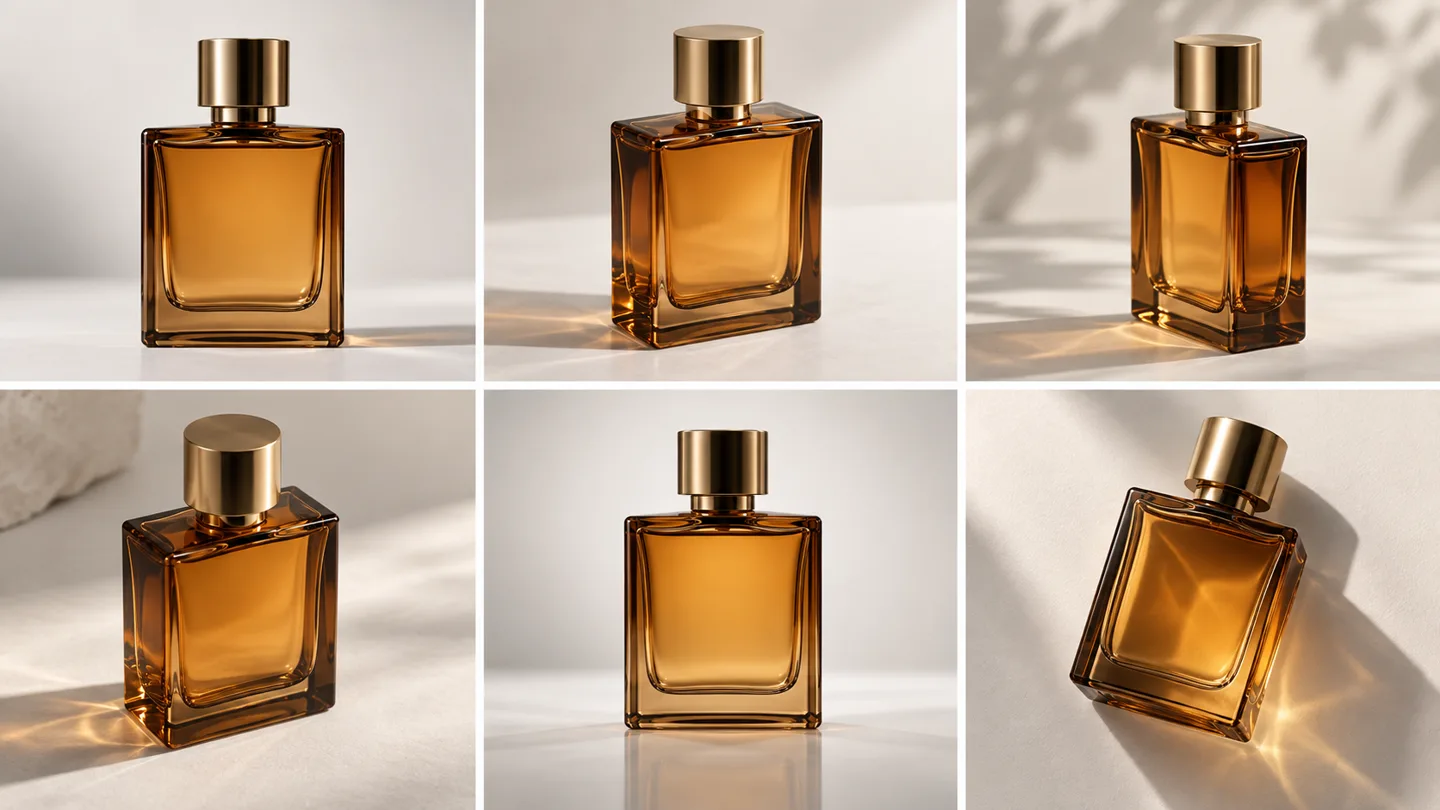
Ad creatives and video editors block out six panels. The generator keeps panel six looking like panel one.
Describe the frame, choose a tier and a size, then refine in place.
Step 01
Name the subject, the setting, the light, and any text that must appear exactly as written — the model follows specifics, not adjectives.
Step 02
Choose Flare for a first pass or Sunburst to finish, then set one of 16 aspect ratios and a 1K, 2K or 4K output. The cost updates as you change them.
Step 03
Send the result back as a reference and describe only the change you want — the pass this engine was rebuilt for.
What the engine accepts, and what each render costs.
| Property | Supported specifications |
|---|---|
| Models | Flare (everyday speed), Sunburst (precision) |
| Scenes | Text to image, image editing |
| Resolution tiers | 1K, 2K, 4K (2K+ needs a wide enough ratio) |
| Aspect ratios | 16, from 1:3 to 21:9 |
| Longest edge | 3840 px |
| Output formats | PNG, JPEG, WebP |
| Background | Auto, transparent or opaque |
| Reference images per edit | Up to 16 |
| Images per run | 1-4 |
| Credits per image | 12 at 1K (6 on a paid plan), 18 at 2K, 30 at 4K |
| Credits on sign-up | 20, valid for 30 days |
| Account | Required to generate |
Resolution and detail move together here: 1K renders at medium quality, 2K and 4K at high, which is why the credit cost climbs at the top. Ratios under 5:4 cap at 1K.
Tiers, pricing, watermarks, refusals, and how the model differs from the ChatGPT app.
GPT Image 2.5 is OpenAI’s image generation and editing model, released 8 September 2026 as two models: Flare and Sunburst. Against GPT Image 2 it lights scenes more naturally, keeps reference subjects recognisable, and survives repeated editing.
Flare is the fast tier OpenAI recommends for most applications: better output than GPT Image 2 at up to 50% lower latency. Sunburst is the precision tier for work edited repeatedly. Both cost the same here; the only trade is time.
Because you chose it. The tier is a dropdown, not a routing decision made for you, and the model name stays on the render in your library. That is the common complaint in a chat app: it never says which ran.
On lighting, reference fidelity, editing precision and speed, yes. On a given prompt, not always — people comparing both on identical briefs still prefer older renders. GPT Image 2 stays in the dropdown for that.
Yes. Set Background to transparent and export as PNG or WebP, and the render comes back with a real alpha channel, not a white rectangle — for logos, stickers and cut-outs.
Safety checks run on the provider side and tightened with this release, so wording that passed before now comes back refused. Rewriting usually clears it: be concrete, drop named public figures.
Vogoo AI adds no visible watermark. OpenAI embeds C2PA provenance metadata and an invisible watermark in its models’ images. That is separate from the faint checkerboard texture in skies and skin — an artefact, not a stamp.
Pick Flare or Sunburst, describe the frame, see the credit cost before you spend it. Twenty credits wait on a new account.